Altra Lone Peak
As so many hikers, the search for the perfect shoe or boot is a topic that comes up pretty much every season.
For years I have been sticking to the Salomon Speedcross line, but sadly my blister free streak ended with them on the South Downs Way last year. As one of the standard options for many overseas hikers, I was also intrigued with Altra for their zero drop, and the fact that they have a very wide toe box.
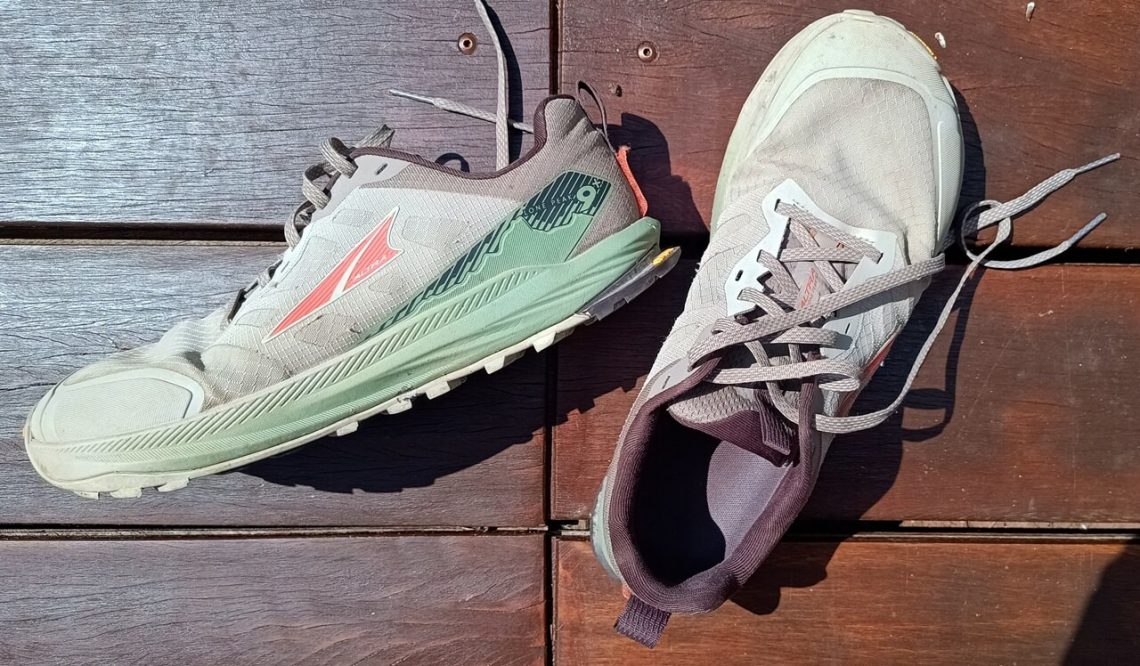
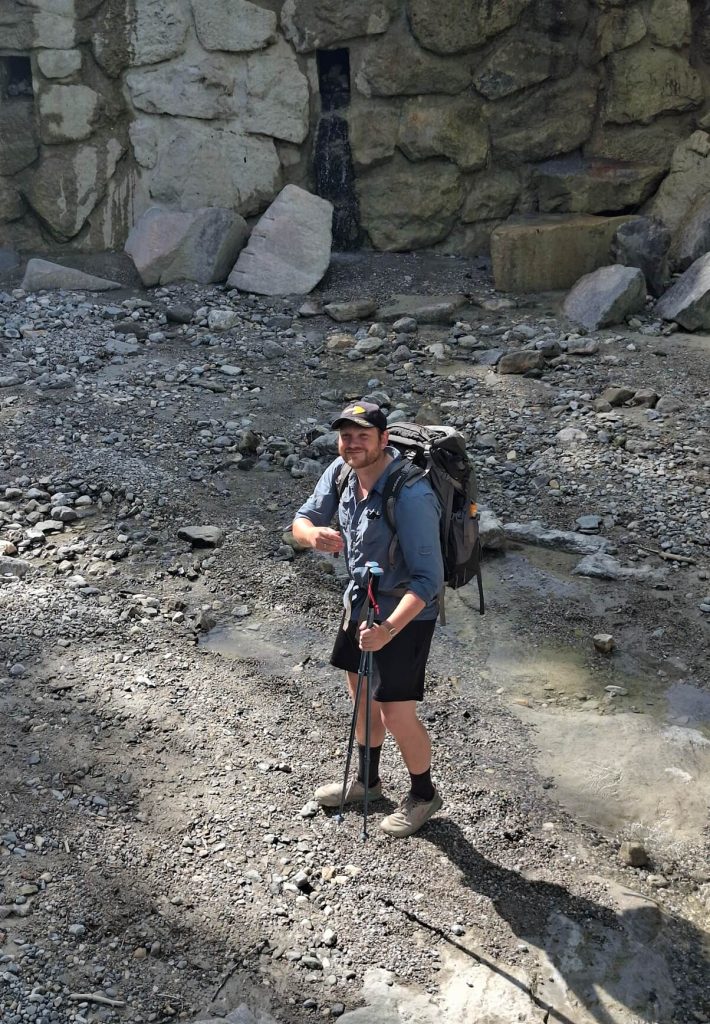
Enter the Altra Lone Peak 9’s for my new hiking shoe. Here is my review after walking the Camino Ingles, and Camino Fisterra back to back. Which is combined around 210 kilometers. A bunch of day hikes around my area, and the Tutzinger Hütte up the Benediktenwand.
Journey to the Altra’s Wide toe box
You rarely see a toe box this spacious in standard hiking boots or trail runners. It’s designed to let your feet splay naturally, a difference you feel the moment you slip them on. They are significantly wider than Salomons, and they also beat out models like Decathlon’s TR2. It’s easy to see why people become Altra loyalists; other brands just feel suffocating by comparison.
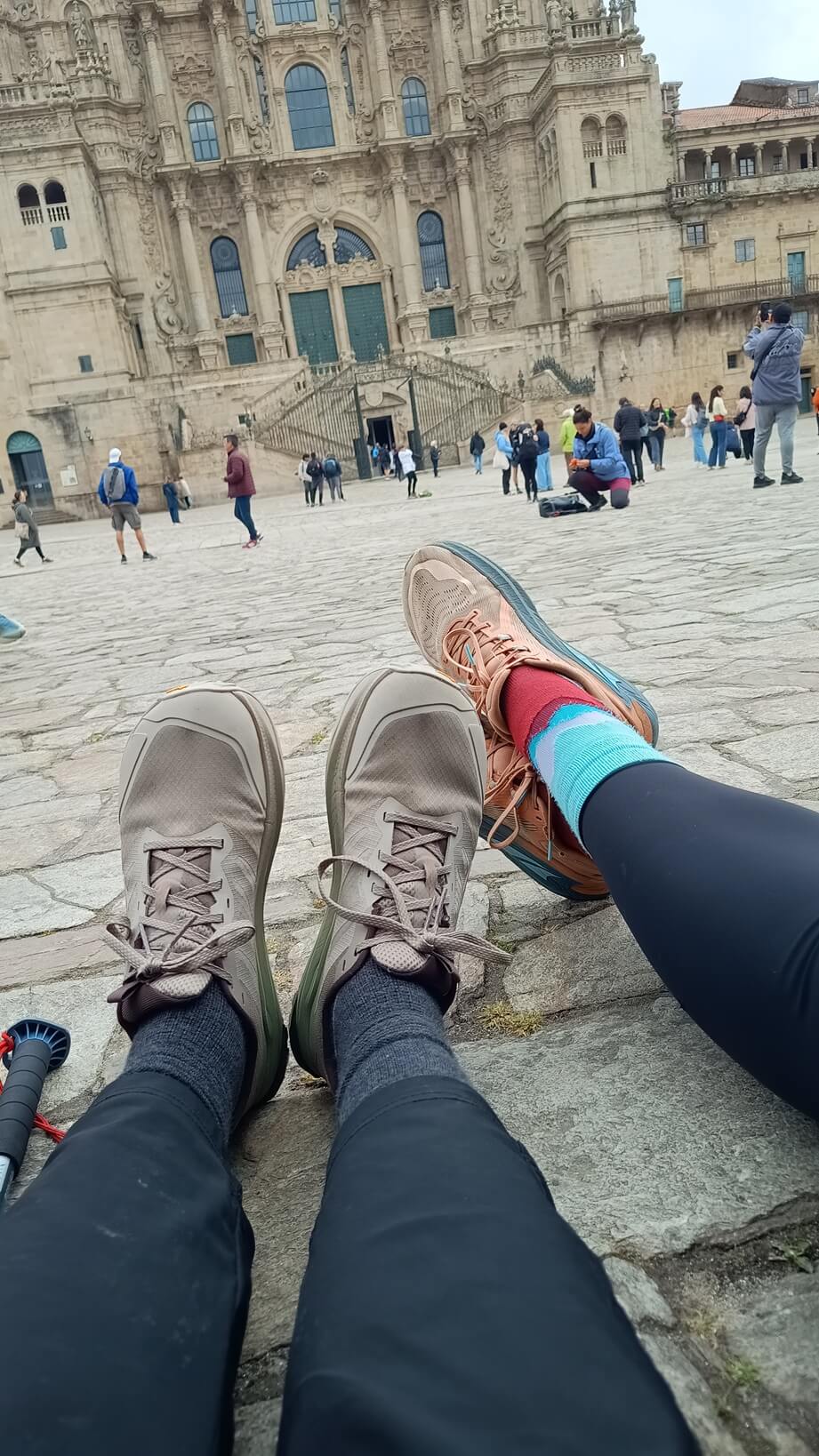
My feet aren’t exceptionally wide, which is why I stuck with Salomons—notoriously narrow shoes—for so long. However, after a few months of wearing barefoot shoes in my daily life, my feet naturally began to spread out.
My footwear evolution over the last decade has been a journey: I started with heavy, Category B Meindl boots for daily use, moved to a few pairs of Meindl Saharas, and then burned through four consecutive pairs of Salomon Speedcross. But during that last Salomon cycle, I introduced barefoot shoes into my daily routine. Within months, the shift was noticeable.
The Salomons began feeling increasingly cramped in the toe box, and their 10mm drop started to feel awkward. The ultimate breaking point was hiking the South Downs Way, which left me with a couple off blisters. That was the final nail in the coffin, as I rarely get those. I switched to Altras, and I don’t see myself going back anytime soon.
Excellent grip with Vibram soles
The Vibram outer soles are a real upgrade to what I had for quite a couple of pairs of shoes already, with the home brands of Salomon and Kiprun, the Vibram stands out a solid performer, and with more grip then many other options. It features a trail running grip, which means you will have more grip on gravel, soil, and forest roads.
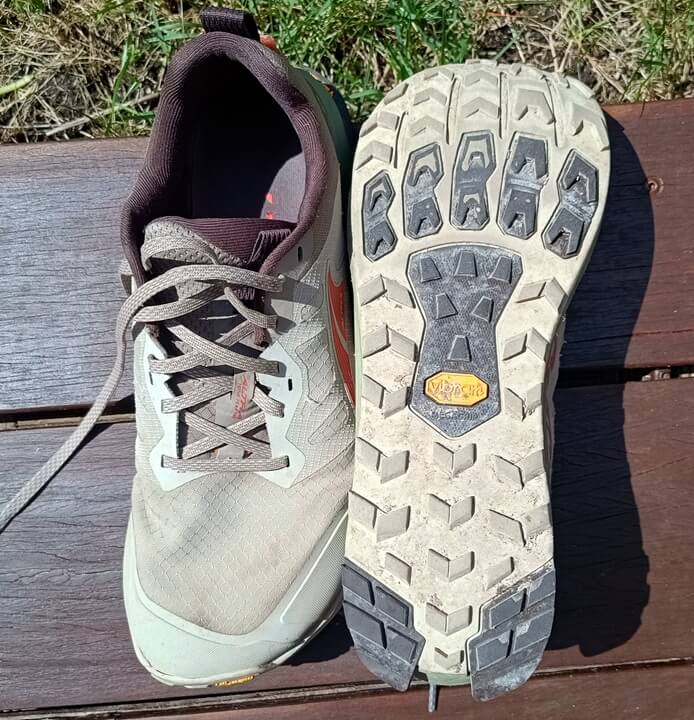
They are only a bit weirdly tailed out, which I first guessed was a design choice, and a point of wear. Apparently it is supposed to offer you more grip on the descent, and absorb some of the impact. I don’t know if that is the exact case, since I hike in them, and don’t trail run. Looking around this does tend to help users though. So its a nice bonus that does not offer any downsides.
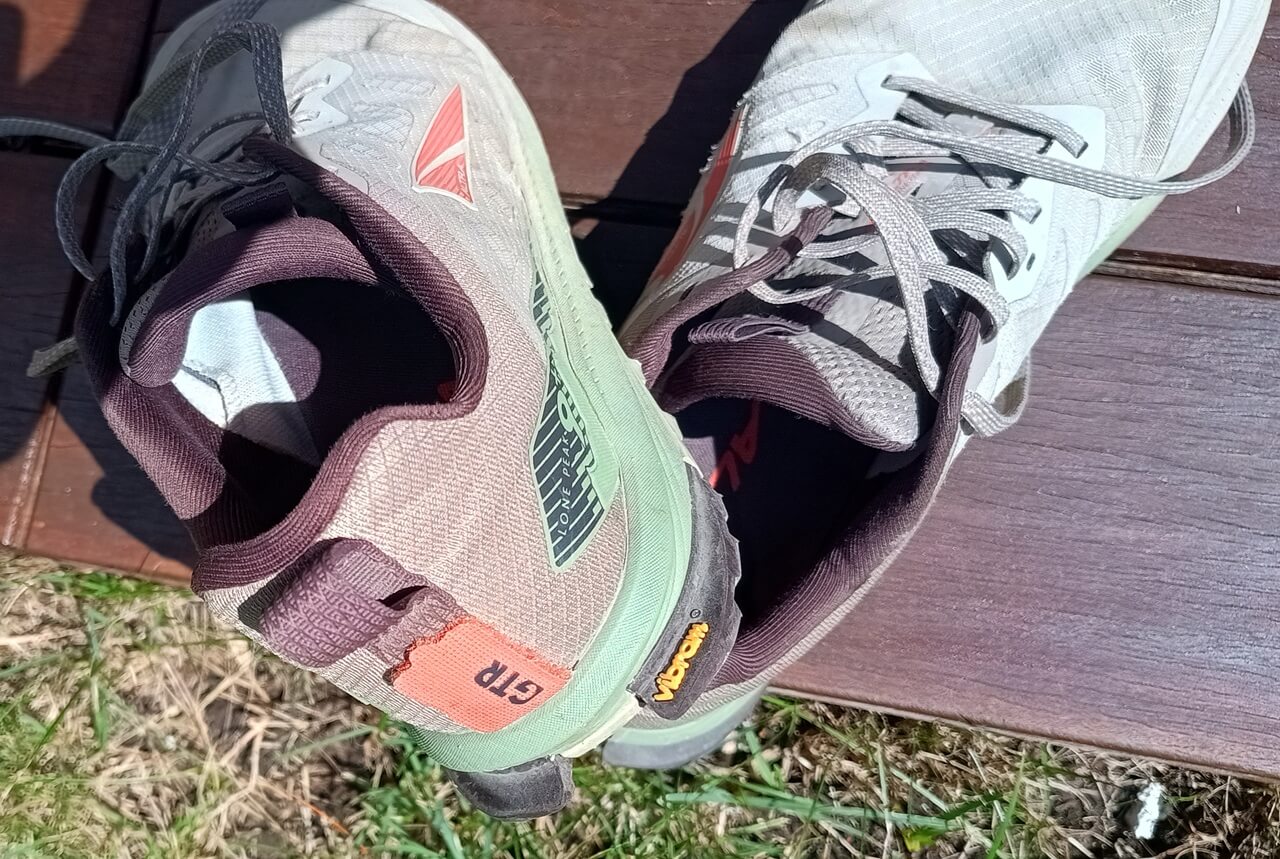
On the terrain I encountered in Spain, and the ascent and descent onto the Benediktenwand (1.800 meters), I enjoyed the excellent grip, and was overall very happy with them.
Zero drop
Zero drop is new to me, and has an adjustment period to it. What you do that is different than what you usually do, is that you do not heal strike so much as compared to higher drop shoes, in fact if you do, you will get punished for it immediately. With a shock that travels up to your knees.
I encourage everyone that is thinking off zero drop, to first try walking around in day to day life in barefoot shoes. Try that for a couple of months, and then slowly start thinking about Zero Drop shoes. This is exactly what I did.
Some people go hardcore when it comes to barefoot, and they even consider the Altra’s to not be “good” enough. In my opinion though complete barefoot shoes with hiking is going to be a tough thing to train too. And walking on perfectly even asfalt was also not part of the original design plans for the feet.
I think Altra struck a good balance in the Lone Peak series, and has something for people in all camps.
Breath-ability vs. Waterproofing
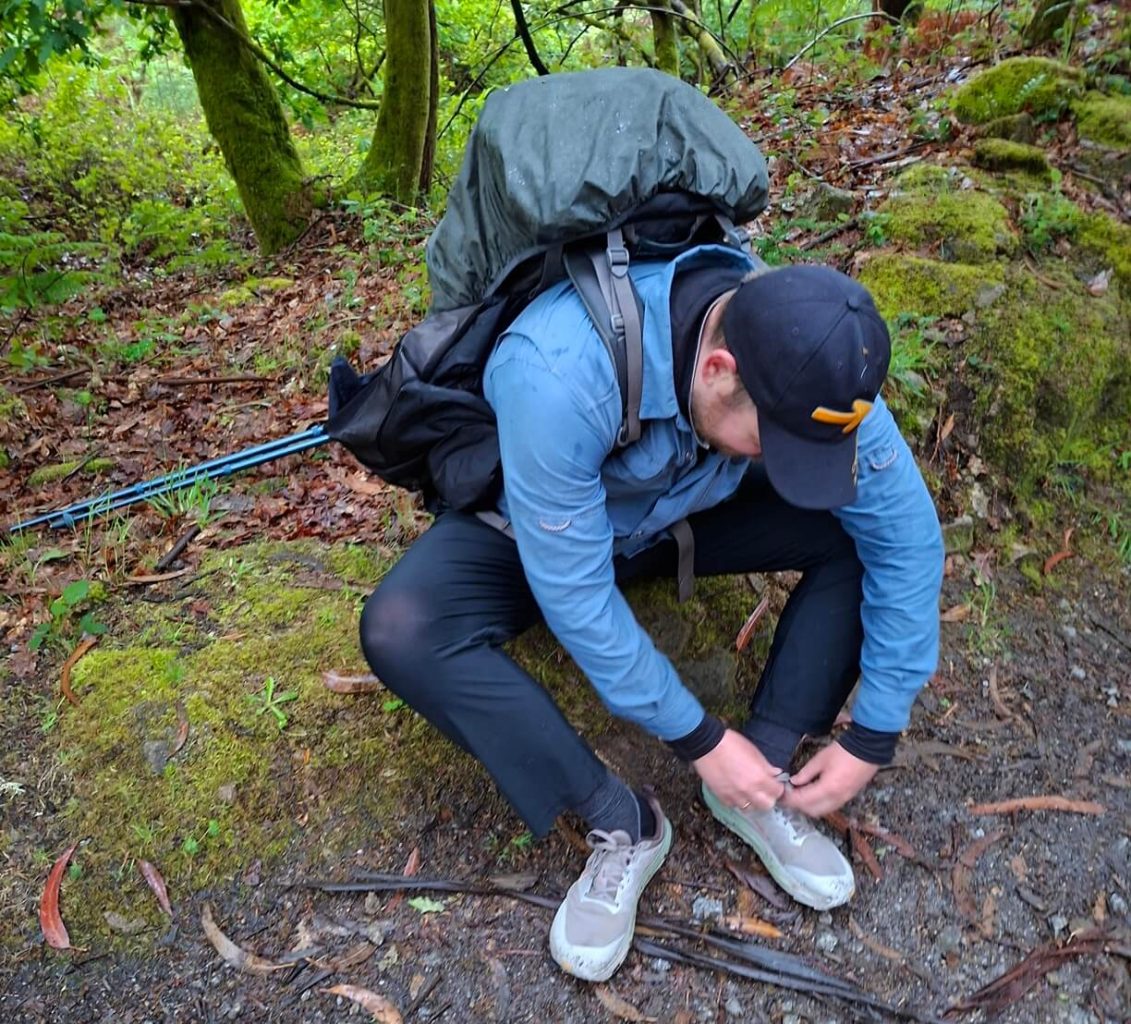
I will always choose for shoes and boots without Gore-Tex, due to me being a sweaty person, also while hiking. Yes, your feet will get wet, but thanks to the minimal material they dry out faster. And are lighter in general.
If you know yourself to be a sweater, than I recommend to stay away from Gore-Tex shoes and boots. When that is not the case, and you have good experiences in the past with Gore-Tex. Than you do you.
Durability & Build Quality
As pretty much all trailrunners, these are looking like only lasting a hiking season for me. So around 6 months with my hiking. The Camino Ingles took its toll on them, as this was a lot of asphalt walking. I think with some more forest or paths you can make them last a while longer. But the reality of many European trails is, sadly, that your also gonna be spending some time on roads. Around 500 km in total I’m expecting to get out of them.
With every shoe I ever owned, the front wears off the fastest with me. Since I walk a lot of the front of my feet. Or the ball. Your experience may differ.
For 150 euro’s I think the build quality is good, and this is a step up from for example the TR2’s from Kiprun. The vibram soles are probably a large part of the price difference. They are around the same price as the Salomons, and this is just the price for this type by one of the brand names.
If you know off any more budget friendly alternatives, make sure to share it down in the comments!
I recommend the Altra Lone Peaks, and will return to the brand in the future. Give them a try if you can in a local store, or order them over Amazon to get them delivered to your door.
As always, walk around for a couple hours indoors with them at the end off the day. With your hiking socks, to get a feel for them before you go out.
Happy Hiking and Hike for Purpose!

Frank
I'm Frank, the main guy and owner of this website. Loves hiking, gear and bushcraft. And can get quite nerdy about them. In the woods several times a week preparing for my next hike. Always searching for another hill, which is quite difficult in the Netherlands. That's why I search around several countries. More about me on the about page.